
- 1. The Zócalo and Centro Histórico
- 2. Teotihuacan — Pyramids of the Sun and Moon
- 3. Chapultepec Park, the National Museum of Anthropology, and Chapultepec Castle
- 4. Colonia Roma and Condesa
- 5. Mercado de San Juan
- 6. Xochimilco Canals
- 7. Lucha Libre at Arena México
- 8. Palacio de Bellas Artes
- 9. Polanco and the Food Scene
- 10. Frida Kahlo Museum, Coyoacán
- Luggage storage in Mexico City
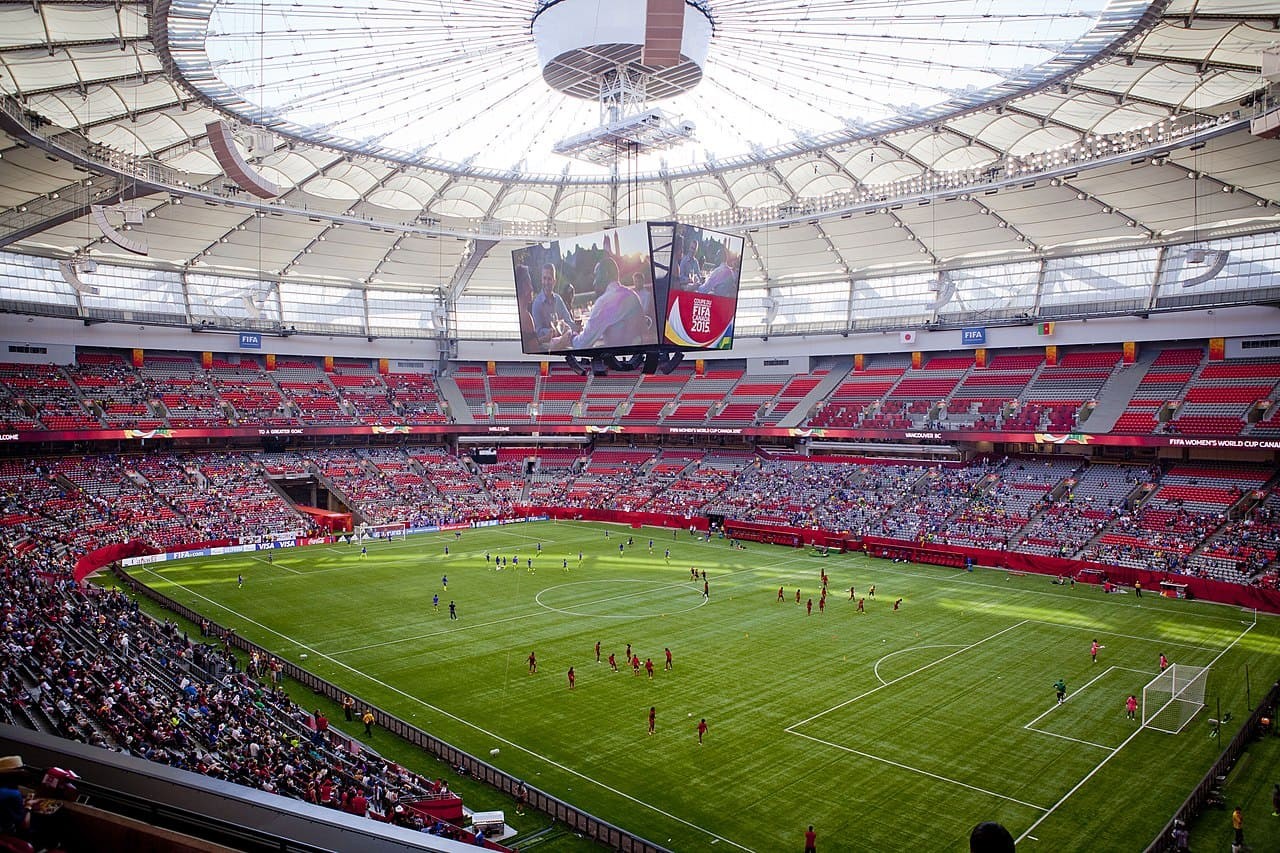
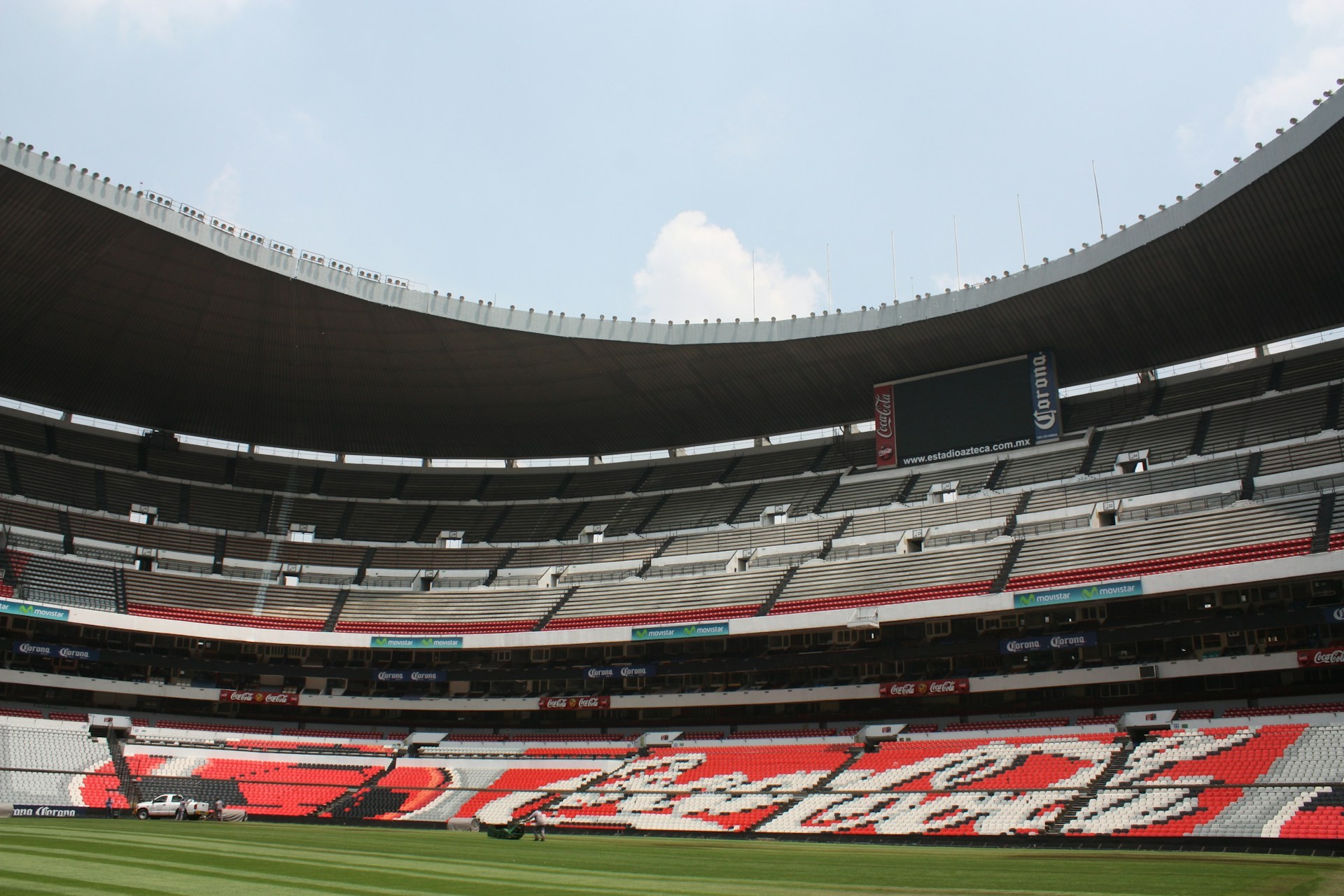
Mexico City is hosting the opening match of the 2026 World Cup on 11 June at Estadio Azteca — one of the most storied football grounds on earth, already twice the stage for a World Cup final. To arrive in Mexico City for a World Cup is to land in a city that takes football seriously, cooks at a level that humbles most other capital cities, and has more history per square kilometre than almost anywhere in the Americas.
CDMX rewards the visitor who moves slowly and eats constantly. Here’s where to start.
1. The Zócalo and Centro Histórico
Mexico City’s main square — officially the Plaza de la Constitución but universally known as the Zócalo — is one of the largest public squares in the world and has been the centre of Mexican civic life since the Aztec empire. On its north side, the Metropolitan Cathedral (the largest in Latin America) has been slowly sinking into the ancient lakebed for centuries; you can see the tilt from the pavement. Across a small road, the Templo Mayor archaeological site occupies the excavated remains of the Aztec Great Temple, discovered accidentally during building works in 1978. The on-site museum is exceptional. The surrounding Centro Histórico has more protected colonial architecture than any neighbourhood in the Americas — spend a morning just walking the streets between Madero and 5 de Mayo.
2. Teotihuacan — Pyramids of the Sun and Moon
An hour north of the city by car or bus, Teotihuacan is one of the great archaeological sites of the ancient world. The Avenue of the Dead runs between the Pyramid of the Moon and the vast Pyramid of the Sun — the third-largest pyramid ever built, rising 65 metres from a base that covers more ground than the Great Pyramid of Giza. Climbing the Pyramid of the Sun takes about 15 minutes and the views from the top, over the surrounding valley and the scale of the ancient city below, are genuinely moving. Go on a weekday and arrive early (gates open at 8am) to beat the heat and the tour groups. The site closes at 5pm. Buses depart regularly from Terminal Central del Norte in Mexico City.
3. Chapultepec Park, the National Museum of Anthropology, and Chapultepec Castle
Bosque de Chapultepec is an 686-hectare urban park — more than twice the size of Central Park — and is where the city goes on weekends. Within it, the National Museum of Anthropology is simply the best pre-Columbian museum in existence. The Aztec Sun Stone (commonly and incorrectly called the Aztec Calendar), Mayan jade masks, and the reconstructed façade of the Temple of Quetzalcoatl from Teotihuacan are all here. Budget three to four hours minimum, and don’t skip the Mexico Sala in the middle of the ground floor — it’s the single best introduction to Mesoamerican history in the world. Uphill from the museum, Chapultepec Castle served as the residence of Emperor Maximilian I and later as Mexico’s National Military Academy; the views from its terraces over the park and the city skyline are excellent.
4. Colonia Roma and Condesa
Roma Norte and Condesa are adjacent early-20th-century residential neighbourhoods with tree-lined boulevards, Art Nouveau and Art Deco buildings, and an extraordinary concentration of good restaurants. For food, Contramar on Durango — a bright, casual seafood restaurant that has been operating since 1998 — serves a tuna tostada and a whole grilled fish with red and green salsas that people fly to Mexico City specifically to eat. Quintonil on Isaac Newton in Polanco (one neighbourhood over, and the city’s most celebrated tasting-menu restaurant) is harder to book but exceptional if you plan ahead. For a simpler meal, the tacos al pastor at any of the taqueria stands on Tamaulipas Avenue in Condesa after midnight are as good as you’ll eat anywhere.
5. Mercado de San Juan
A covered market in the Centro Histórico, Mercado de San Juan is where Mexico City’s professional cooks and serious home cooks shop. The vendors are specialists: exotic cheeses and imported goods on one side, escamoles (ant larvae, considered a pre-Hispanic delicacy and genuinely delicious when fried with butter and epazote), chapulines (grasshoppers, crispy, salty, eaten in tacos), and a full mole counter offering a dozen varieties by the jar or by the bowl. Unlike the more tourist-oriented markets, San Juan retains the feel of a working food market. Go hungry, eat at the stalls, and leave with at least a jar of mole negro.
6. Xochimilco Canals
South of the city, the Xochimilco canals are a remnant of the chinampas (floating gardens) that supplied the Aztec city of Tenochtitlan with food for centuries. Hire a trajinera — a flat-bottomed, brightly painted wooden boat — with a group and spend two hours being poled along the canals past flower farms, passing other boats selling food, beer, and mezcal from smaller vessels alongside. Mariachi boats will pull up and offer to play for a fee. It’s festive, slow, and one of the most distinctively Mexican experiences in the city. Reach the main embarcadero at Cuemanco via the Metro Line 2 to Tasqueña, then a light rail connection.
7. Lucha Libre at Arena México
Lucha Libre — Mexican professional wrestling — has been performed at Arena México on Doctores Street since 1956. The acrobatics are real; the drama is theatrical; the crowd is fully in on both. Tuesday and Friday evenings are the main events. Masks, elaborate costumes, high-flying ringside moves, and a noise level that makes football stadiums seem quiet. Tickets are cheap (around 100–300 pesos depending on the section) and available at the arena. If you go on a Tuesday, the nearby neighbourhood of Centro has dozens of good street food options for after.
8. Palacio de Bellas Artes
The white marble building at the corner of the Alameda Central park and the Centro Histórico is one of the most beautiful buildings in Mexico — Palacio de Bellas Artes is an Art Nouveau exterior with a strikingly different Art Deco interior, built over 30 years and only completed in 1934 (it began sinking into the ancient lakebed almost immediately, and is now several metres lower than the surrounding street). Inside, enormous murals by Diego Rivera, José Clemente Orozco, and David Alfaro Siqueiros occupy the upper floors. The building also hosts opera, ballet, and classical music — check the programme if your schedule allows.
9. Polanco and the Food Scene
Polanco is Mexico City’s most affluent neighbourhood and has a higher concentration of serious restaurants than anywhere else in the city. Beyond Quintonil, look for Máximo Bistrot (seasonal French-Mexican cooking), Pujol (Enrique Olvera’s original Mexico City restaurant, consistently on the World’s 50 Best list, and extremely hard to book without planning months ahead), and Dulce Patria for contemporary Mexican cuisine in a setting that would look at home in a design magazine. Even at the informal end, the street taco options on Presidente Masaryk are excellent. The neighbourhood’s parks and sculpture gardens are worth walking through regardless of whether you’re eating.
10. Frida Kahlo Museum, Coyoacán
The Blue House where Frida Kahlo was born, lived most of her life, and died in 1954 is now a museum in the Coyoacán neighbourhood, a 30-minute Uber ride south of the Centro Histórico. The house is preserved almost exactly as it was during her lifetime — the studio, the kitchen with its blue and yellow tiles, the bed she was confined to during her long recoveries. The collection includes her paintings, her pre-Hispanic artefacts, letters, clothing, and the infamous corsets she wore after her 1925 bus accident. Tickets should be booked online in advance; the queue for same-day entry is often two hours long. After the visit, the Coyoacán market next to the main plaza sells excellent tlayudas and memelas for lunch.
Estadio Azteca sits in the Tlalpan borough in the south of Mexico City, around 20km from the historic centre. On match day, the Metro Line 2 and Line 12 are the quickest options from central areas. If you’re arriving at the airport (NAICM in Santa Lucía or AICM in Iztapalapa) and want to explore the city before checking in, Stasher has luggage storage across Mexico City, including near the Centro Histórico, Condesa, and Polanco.
Luggage storage in Mexico City
Whether you’re arriving early, moving between accommodation, or heading to Azteca from the airport, Stasher has luggage storage locations across CDMX — near the Zócalo, Condesa, and Roma Norte. Drop your bags and start exploring one of the great cities in the world with both hands free.