
Travel plans often start with a simple idea: visit the most famous landmarks in Europe and enjoy their history. You check official ticket prices online and build a budget around them. The Colosseum lists a modest entry fee. The Louvre seems affordable. The Last Supper appears within reach. Yet, once you arrive, the real cost often feels very different.
The gap between official prices and what visitors actually pay can be large. This difference usually comes from guided tours, timed entry systems, and limited ticket availability. Understanding these factors helps you plan better and avoid stress during your trip.
Official ticket prices vs real visitor costs
Most major landmarks in Europe publish a base ticket price. This price reflects standard entry, often without extras. On paper, it looks simple and affordable. In practice, many travelers rarely pay this amount.
High demand limits access. Tickets sell out quickly, especially during peak seasons. When official tickets disappear, guided tours become the main option. These tours include entry, but they also add services like a guide, priority access, or small group experiences. The result is a higher final price.
Many travelers accept this cost because it guarantees entry. Others feel surprised when they compare it to the original price they saw online.
The Colosseum: from €18 to triple-digit prices
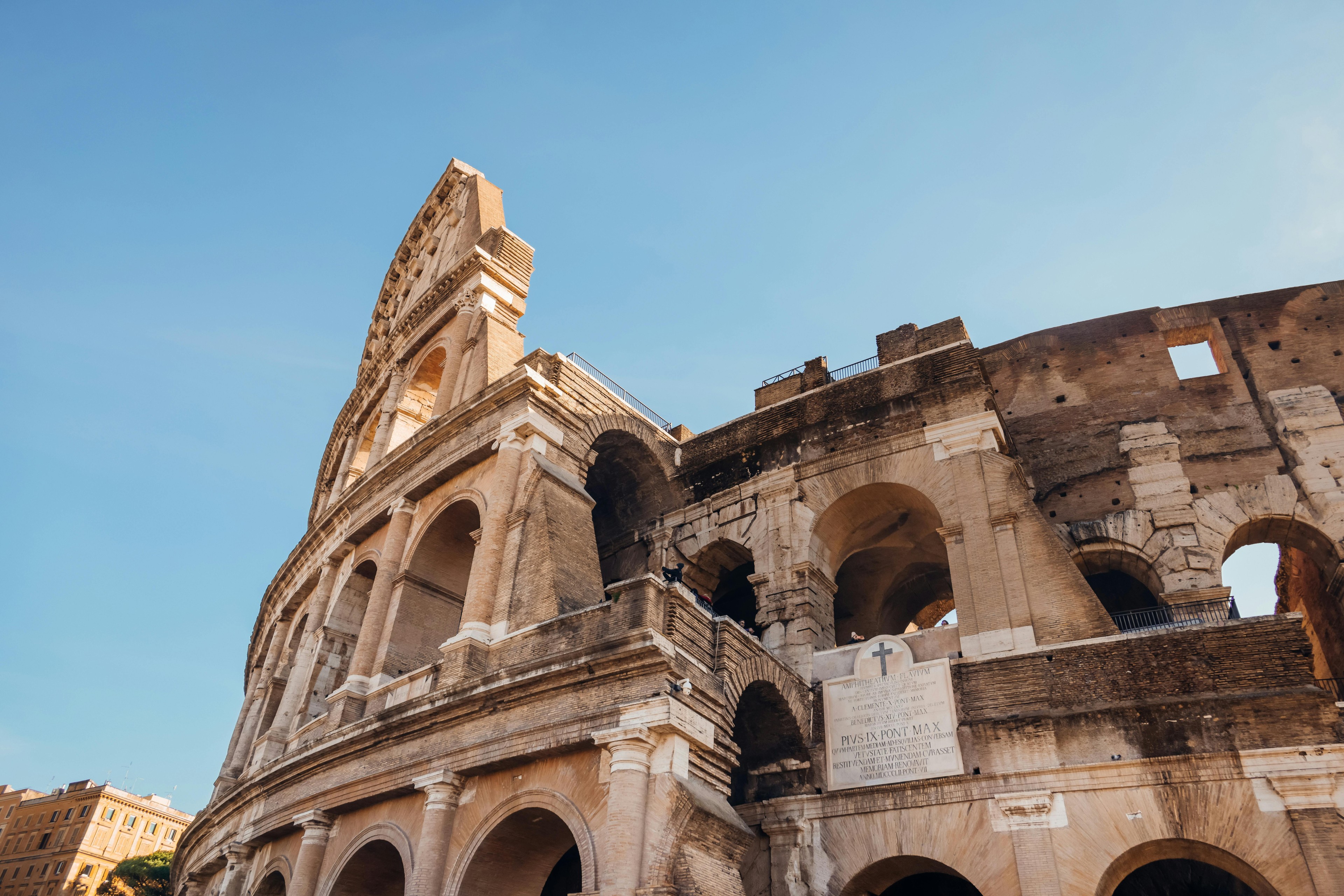
The Colosseum is one of the clearest examples of price differences. The official ticket costs around €18. This price covers basic entry to the ancient amphitheater and nearby archaeological areas.
However, demand is intense. Tickets often sell out days or weeks in advance. Many visitors turn to guided tours to secure access. These tours can cost over $100, and sometimes reach $174 or more.
A detailed tour pricing analysis across European monuments shows how large this gap can be. The research reviewed hundreds of tours and confirmed that real prices often exceed the official rate by a wide margin.
The Louvre: affordable entry, expensive convenience
The Louvre has a standard entry fee that feels reasonable for such a large museum. Yet long lines and timed entry rules change how people buy tickets.
Visitors who want to skip queues often choose guided tours or fast-track tickets. These options can double or triple the base price. Private tours raise the cost even further.
The museum itself is vast. Many travelers prefer guided visits to save time and focus on key artworks. This added value explains part of the higher cost, but it also means that the real price of visiting the Louvre depends on how you choose to experience it.
The Last Supper: limited access drives prices up
The Last Supper in Milan has one of the most restricted entry systems in Europe. Only a small number of visitors can enter each day. Tickets sell out quickly, sometimes months in advance.
The official ticket price is relatively low. Still, most travelers cannot secure it directly. Guided tours become the main alternative. These tours often bundle entry with a city walk or additional attractions.
As a result, the final price can be several times higher than the official rate. The limited supply of tickets plays a major role here. When access is scarce, prices rise.
Pompeii: scale and guidance influence cost
Pompeii covers a large area. The official entry ticket is affordable and gives access to the entire site. Yet many visitors find it hard to explore without context.
Guided tours offer structure. A guide explains the history, highlights key locations, and helps visitors navigate the ruins. These tours cost more, but they also improve the experience.
Transport adds another layer of cost. Many tours include travel from nearby cities like Naples or Rome. This convenience raises the total price, even if the entry ticket itself remains low.
Sagrada Familia: timed entry and demand
The Sagrada Familia in Barcelona uses timed tickets to manage crowds. Basic entry is priced at a moderate level, but popular time slots sell out fast.
Visitors who want specific time slots or guided access often pay more. Tower access, audio guides, and small group tours all increase the price.
The building’s global appeal keeps demand high throughout the year. This demand supports a wide range of ticket options, many of which cost more than the base entry fee.
Why guided tours dominate the real price
Guided tours play a central role in the price difference. They solve several problems at once: access, time management, and information.
For many travelers, the added cost feels justified. A guide provides context that you may not get from signs alone. Priority access reduces waiting time. Small groups create a smoother experience.
Still, it is important to recognize that these benefits come at a price. The official ticket represents only the starting point, not the full cost.
How to plan smarter and control your budget
You can reduce costs with careful planning. The first step is to book early. Official tickets often release weeks or months in advance. Early booking gives you the best chance to pay the base price.
Flexible timing also helps. Visiting during off-peak hours or seasons increases your chances of finding standard tickets. Early mornings and late afternoons are often less crowded.
If you choose guided tours, compare options. Not all tours offer the same value. Some include extras that you may not need. Others focus on small groups or expert guides, which may justify the price.
Travel logistics also matter. Services like luggage storage can make your visit easier, especially if you arrive before check-in or leave after check-out. Platforms such as Stasher allow you to explore without carrying bags, which can improve your overall experience.
What travelers should expect before they go
Expect a difference between advertised prices and actual costs. This gap is common across major European landmarks. It reflects demand, limited access, and the added value of guided experiences.
Budgeting based on official ticket prices alone often leads to surprises. A more realistic approach includes the cost of tours, upgrades, or last-minute bookings.
Clear expectations make your trip smoother. You avoid stress and can focus on the experience itself.
A clearer view of landmark pricing helps you travel better
Europe’s top landmarks remain worth visiting. Their history, art, and architecture draw millions each year. Yet the real cost of entry often goes beyond the numbers shown on official websites.
When you understand how pricing works, you make better choices. You decide when to book, whether to join a tour, and how much to spend. This knowledge turns a confusing process into a manageable one.
A well-planned visit gives you more control over your time and budget. That control makes the experience more enjoyable from start to finish.