
- 1. Hospicio Cabañas — UNESCO World Heritage Murals
- 2. Tortas Ahogadas and Carne en su Jugo
- 3. Plaza de los Mariachis
- 4. San Pedro Tlaquepaque
- 5. The Tequila Town Day Trip
- 6. Avenida Chapultepec
- 7. Mercado Libertad (San Juan de Dios)
- 8. The Guadalajara Cathedral and Historic Centre
- Luggage storage in Guadalajara
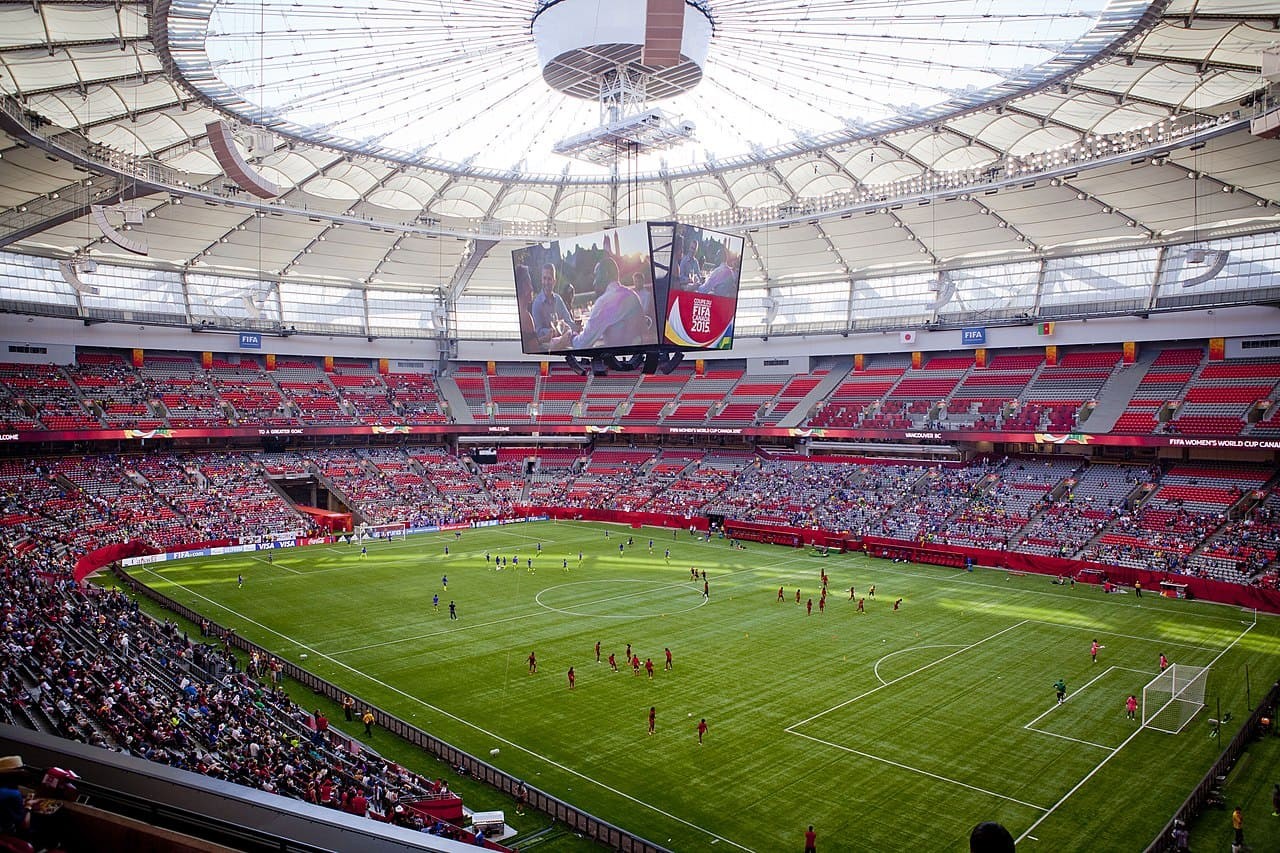
Guadalajara is where mariachi was born, where tequila was invented, and where some of Mexico’s most serious regional cooking is done. For World Cup visitors heading to four group stage matches at Estadio Akron — including Mexico’s second group fixture on 18 June — it’s a city that offers everything the tourist trail promises and then a few layers underneath.
It’s Mexico’s second-largest city, a couple of hours’ flight from the capital, and arguably less internationally well-known than it should be. The timing of the World Cup — June in Guadalajara means warm evenings, relatively dry weather, and the city’s cultural programme in full swing — is good.
1. Hospicio Cabañas — UNESCO World Heritage Murals
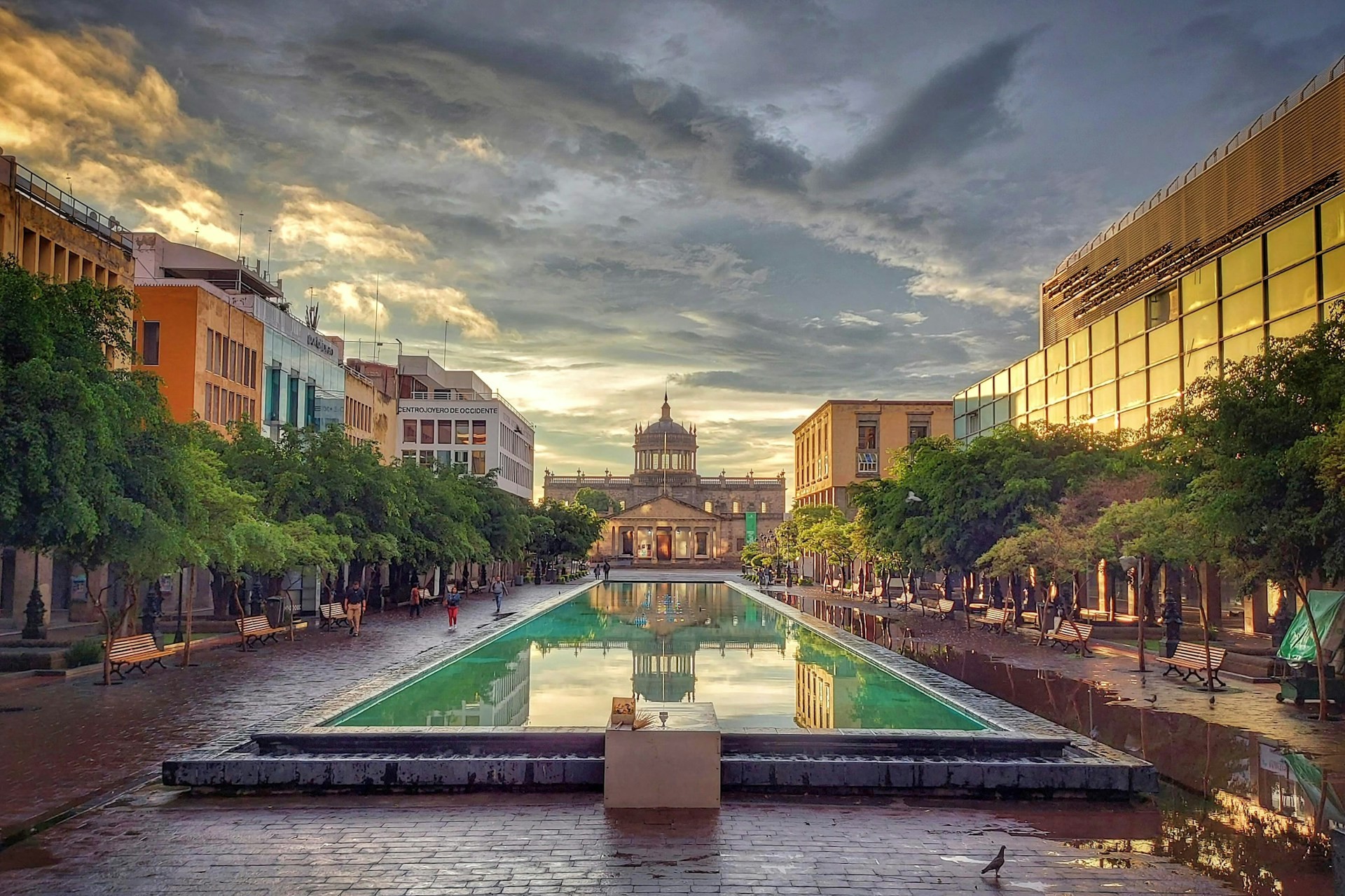
The Hospicio Cabañas is the most important art and architecture site in Guadalajara, and one of the genuinely unmissable cultural experiences in Mexico. Built in the early 19th century as a hospice and orphanage, the building — a vast neo-classical complex designed by Manuel Tolsá — has 57 murals painted by José Clemente Orozco between 1936 and 1939. The centrepiece is The Man of Fire (El Hombre de Fuego) on the chapel dome: Orozco’s allegorical image of a figure ascending through flame, painted with a force that’s difficult to describe accurately. The building is now a World Heritage Site and cultural centre hosting exhibitions and performance events alongside the permanent murals. It’s in the Analco neighbourhood on the east side of the historic centre. Budget two to three hours.
2. Tortas Ahogadas and Carne en su Jugo
Before exploring further, eat the food that Guadalajara is most proud of. Tortas ahogadas — literally “drowned sandwiches” — are pork birria stuffed into a crusty birote roll (a local bread that doesn’t travel well, which is why you can only eat the real version here) and submerged in a spicy tomato-chilli sauce. The standard accompaniment is a radish, an onion, and as much salsa as you can handle. The birthplace is usually attributed to a woman named Doña Carmen, whose stand on Mercado Libertad has been operating for decades. For carne en su jugo — a slow-simmered beef stew with tomatillo, green chilli, white beans, crispy tocino, and fresh toppings — Restaurant Karne Garibaldi on Morelos Street holds the Guinness World Record for fastest service (13.5 seconds from ordering to table), which is a gimmick that happens to be attached to genuinely excellent food.
3. Plaza de los Mariachis
The Plaza de Mariachi, a few blocks east of the Hospicio Cabañas, has been the spiritual home of mariachi music since the 1950s. In the evenings — particularly from around 9pm — bands gather in the square and along the surrounding streets, and you can commission a song (or a full set) for a negotiated fee. The restaurants around the plaza are not the point; the music and the atmosphere are. Bring pesos. Order tequila or a chelada (beer with lime and salt served in a chilled glass). Listen to the music with the same respect you’d give it in a concert hall, because it’s earned.
4. San Pedro Tlaquepaque
Tlaquepaque is a municipality adjoining Guadalajara that has become Mexico’s most important artisan crafts destination. The Calle Independencia pedestrian street is lined with galleries, ceramics shops, blown-glass studios, silver jewellers, and textile vendors — the quality is genuinely high and prices reflect fair trade rather than tourist inflation. El Parián plaza at the centre of Tlaquepaque is a converted 19th-century building with restaurants and bars around a shaded courtyard; mariachi bands perform in the evenings. The Museo Pantaleón Panduro (free entry) focuses on traditional Jalisco ceramics. It’s about 30 minutes from the historic centre by taxi or the Macrobús.
5. The Tequila Town Day Trip
The town of Tequila is 60km northwest of Guadalajara on the road toward Puerto Vallarta, in the heart of the blue agave-growing Jaliscan highlands. The landscape of spiky blue agave plants rolling across volcanic slopes is a UNESCO World Heritage Site in its own right. Tours of the major distilleries — Casa Herradura in Amatitán, José Cuervo in the town itself, and La Cofradía — run most days and include explanations of the production process, a tasting, and a bottle to take home. The Jose Cuervo Express train runs on Saturdays from the Guadalajara train station; the regular road trip is faster. The town has a central square with a church and market worth an hour of wandering.
6. Avenida Chapultepec
The Chapultepec corridor in the Americana neighbourhood is where Guadalajara goes on weekend evenings. The pedestrian stretch of Avenida Chapultepec is lined with bars, restaurants, and coffee shops with outdoor tables, and it draws a young, sociable crowd that stays out late. For dinner, La Fonda de San Miguel on Donato Guerra Street in the Americana neighbourhood does upscale Jalisco regional cooking in a converted colonial convent; the courtyard dining and the pozole rojo are both exceptional. For a more casual option, Alcalde restaurant on Naciones Unidas Avenue is one of Mexico’s most celebrated contemporary restaurants and worth booking ahead for tasting-menu dinner.
7. Mercado Libertad (San Juan de Dios)
The Mercado Libertad — known locally as San Juan de Dios — is the largest covered market in Latin America: three floors and reportedly over 3,000 vendors. The ground floor handles fresh produce, meat, fish, and the best street food in the city. Take birria tacos from one of the established stands (birria de res, beef slow-cooked in an adobo sauce with consommé for dipping) and a glass of tejuino, the fermented corn drink that’s specific to Jalisco and slightly sour, slightly sweet, usually served with lime sorbet and salt. The upper floors cover clothing, electronics, and handicrafts. The market is at the eastern edge of the historic centre, a short walk from the cathedral.
8. The Guadalajara Cathedral and Historic Centre
Guadalajara’s Metropolitan Cathedral on the Plaza de Armas was begun in 1558 and finished in 1618, though its distinctive twin towers have been rebuilt multiple times after earthquake damage. The interior has a painting attributed to Bartolomé Esteban Murillo and a series of oil paintings of colonial-era bishops that is unexpectedly arresting. The Plaza de Armas in front of the cathedral has a cast-iron bandstand from 1898 and is the most pleasant square in the city for sitting with coffee. The surrounding historic centre has several fine colonial churches and the Teatro Degollado — a neoclassical opera house from 1866 with a ceiling fresco by Gerardo Suárez.
Estadio Akron (also called Estadio Guadalajara for the tournament) is in the Zapopan municipality northwest of the city. The Línea 1 metro runs from the historic centre to Periférico Norte, from which buses run to the stadium on match days. If you want to store your bags before a match or between hotel check-ins, Stasher has luggage storage in Guadalajara — check the website for current locations near the centre.
Luggage storage in Guadalajara
Whether you’re travelling between Mexico City, Guadalajara, and Monterrey for multiple matches or just want to explore the city hands-free on match day, Stasher has luggage storage in Guadalajara. Book a spot and spend the afternoon in Tlaquepaque without dragging your bags through the ceramics shops.