
- 1. The Distillery Historic District
- 2. Kensington Market
- 3. St. Lawrence Market
- 4. Toronto Islands
- 5. The CN Tower and Ripley’s Aquarium
- 6. Queen Street West and Graffiti Alley
- 7. Harbourfront Centre
- 8. Little Portugal and Roncesvalles
- 9. ROM — Royal Ontario Museum
- 10. Exploring by Bike Along the Waterfront Trail
- Luggage storage in Toronto
Toronto is one of the most genuinely diverse cities in the world — over 200 languages are spoken here, and the food scene reflects that directly. For World Cup visitors arriving for matches at BMO Field, you’re landing in a city that doesn’t have a single dominant character so much as a series of distinct neighbourhoods, each with its own personality and its own version of a good afternoon.
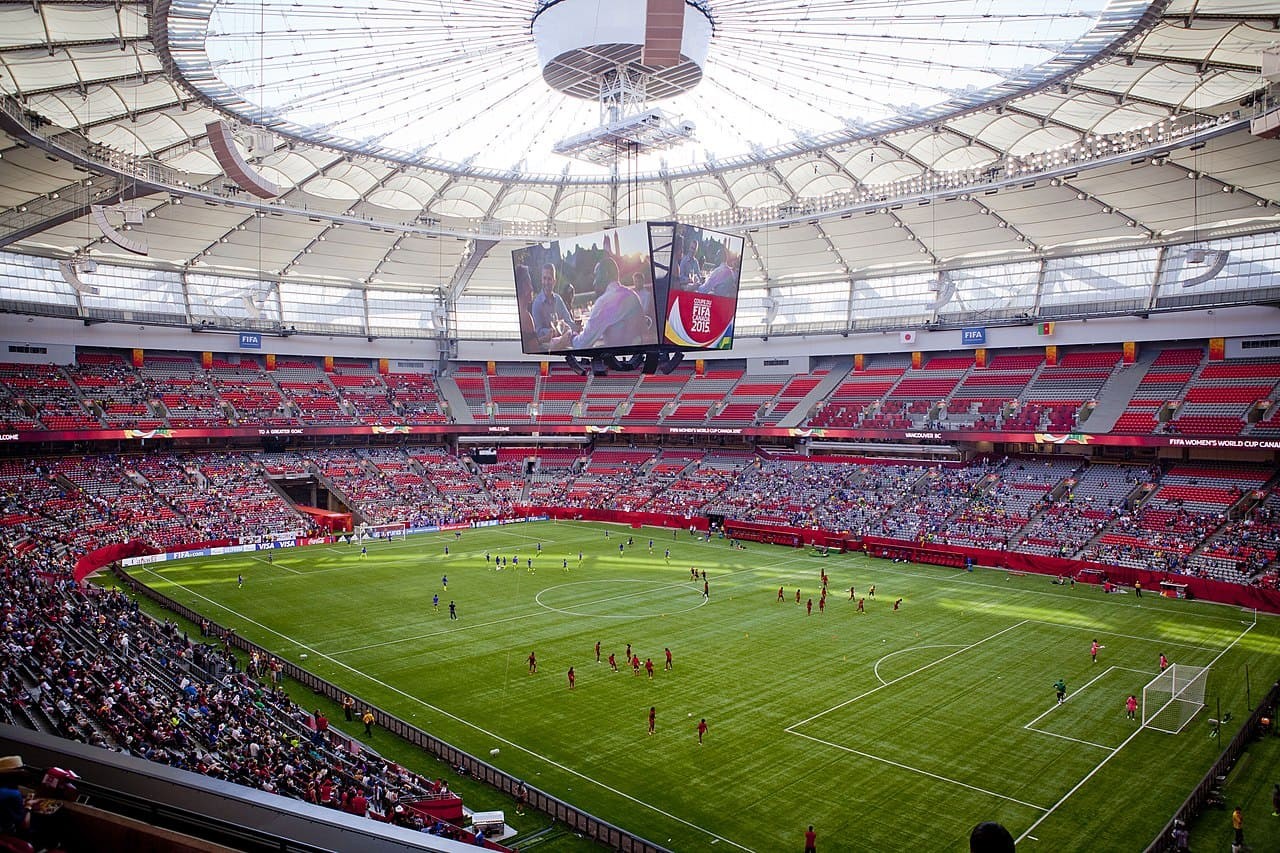
BMO Field sits on the western waterfront at Exhibition Place, which means you’re close to the lake and well-connected to the rest of the city by transit. Here’s how to make the most of your time.
1. The Distillery Historic District
One of Toronto’s most atmospheric neighbourhoods, the Distillery District is built in a cluster of Victorian industrial buildings that formed the Gooderham & Worts distillery — once the largest distillery in the British Empire. The brick warehouses and cobblestone lanes have been preserved and repurposed into galleries, independent restaurants, boutiques, and a handful of excellent bars. CODA Jazz Club hosts live music on weekend evenings. Cluny Bistro & Boulangerie does reliable French food with weekend brunch. The area is car-free, compact, and designed for wandering — give it a couple of hours. It’s a 15-minute streetcar ride from Union Station.
2. Kensington Market
Kensington Market is the most eclectic neighbourhood in Toronto and possibly in Canada. A few blocks west of Chinatown, it’s a mix of vintage clothing shops, international food stalls, bakeries, a fish market, and restaurants from almost every culinary tradition — Mexican, Jamaican, Filipino, Vietnamese, and more, often within a few metres of each other. The pace is slow and the crowds are friendly. Saturday is the best day to visit, when the vendors are all open and street musicians set up at intersections. For lunch, head to Seven Lives for a Baja-style fish taco (there’s usually a queue) or browse the Cheese Magic shop on Augusta Avenue. The surrounding streets of Little Portugal and Little Italy are worth walking as you move east or west.
3. St. Lawrence Market
Consistently ranked among the best food markets in the world, St. Lawrence Market on Front Street East has been operating in some form since 1803. The main building on the south side houses over 120 vendors across two floors: cheese, charcuterie, fresh fish, pastry, coffee, produce, and prepared foods in every direction. The peameal bacon sandwich (a Toronto institution — back bacon rolled in cornmeal, served on a kaiser roll) is available at Carousel Bakery on the main floor, and the queue moves fast. Saturday morning is the busiest time; arrive before 10am or after 1pm if you want space to move. The adjacent North Market runs farmers’ markets on Saturdays.
4. Toronto Islands
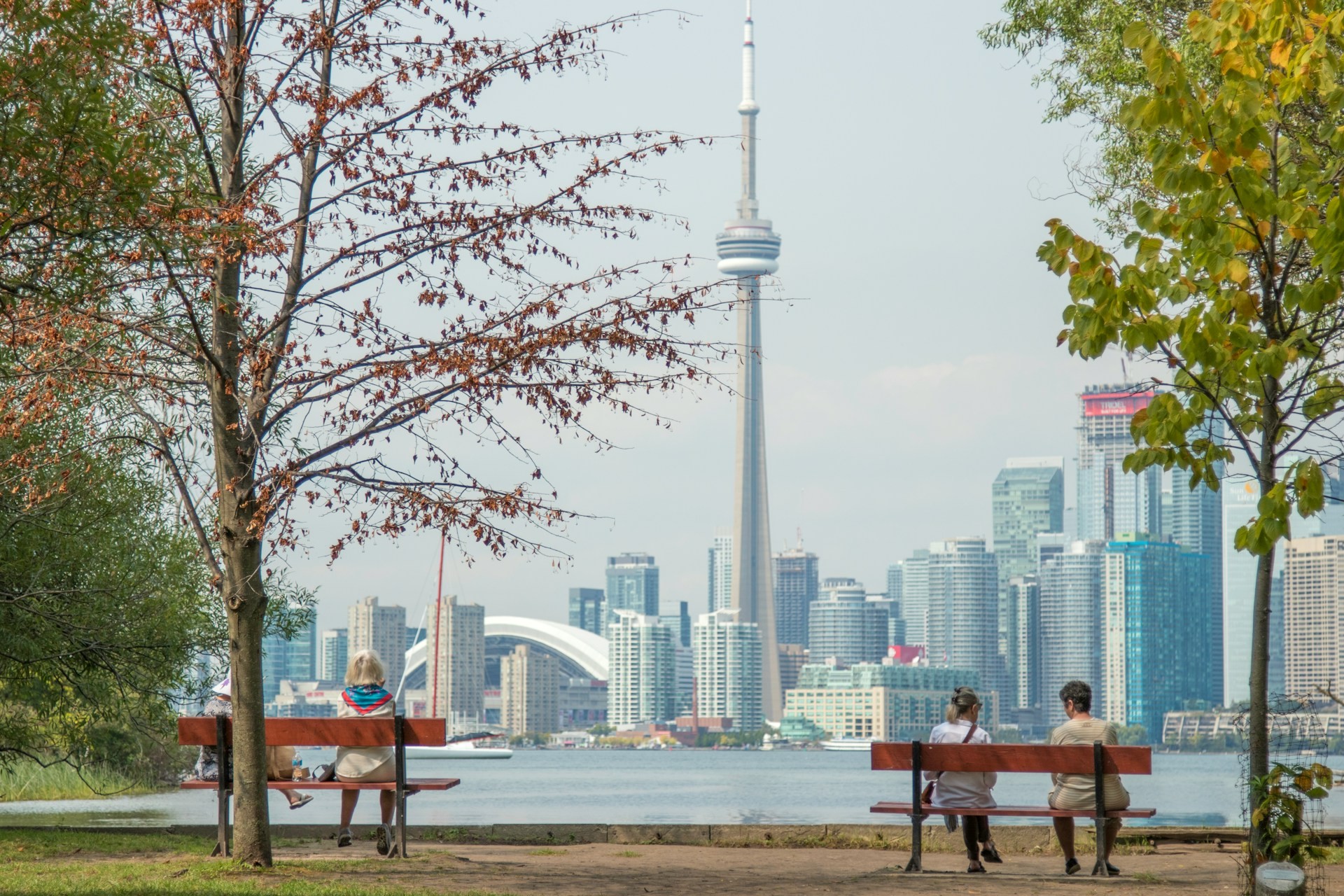
A 13-minute ferry from the Jack Layton Ferry Terminal at the foot of Bay Street takes you to the Toronto Islands — a chain of small islands in Lake Ontario with beaches, bike paths, picnic areas, and, from Ward’s Island or Centreville, a spectacular view of the downtown skyline. Centre Island has an amusement park, but the eastern islands (Ward’s and Algonquin) are quieter and used mainly by residents and locals who want somewhere calm to sit near water. Rent a bike at the island and cycle the length of it — the full loop is around 9km and takes about an hour. On a clear day, the view of the downtown towers from the beach on the south shore of Centre Island is one of the defining images of the city.
5. The CN Tower and Ripley’s Aquarium
Toronto’s most recognisable landmark at 553 metres is still worth the visit, particularly for first-timers. The CN Tower observation deck provides a 360-degree view of the city and Lake Ontario that contextualises everything else you’ve been doing on the ground. The glass floor section is vertiginous if you let it be. For those travelling with kids, Ripley’s Aquarium in the base of the CN Tower complex is genuinely excellent — one of the largest aquariums in Canada, with a moving walkway tunnel running through the main shark tank. Together the two make a solid half-day.
6. Queen Street West and Graffiti Alley
Queen Street West between Spadina and Ossington Avenues is the city’s best street for independent fashion, design, and coffee. The stretch is lined with locally-owned shops, vintage boutiques, and restaurants that don’t feel assembled for tourists. Graffiti Alley runs behind the south side of Queen West between Spadina and Portland Street — a full block of large-scale murals on warehouse walls that changes constantly as artists add new pieces. It’s one of the most photographed corridors in Toronto. In the evenings, the bars and restaurants on Queen West stay open late; Bar Raval on College Street (a Spanish-inspired pintxos and cocktail bar that was designed by a Canadian architect to feel like a Gaudí building) is a short walk north.
7. Harbourfront Centre
The Harbourfront Centre on Queens Quay West, a five-minute walk from BMO Field, is a free public arts facility on the waterfront with a year-round programme of performances, exhibitions, craft workshops, and events. During June and July, the outdoor spaces are active most evenings. The water views are good, the cafes are serviceable, and the area has a relaxed lakeside quality that’s different from the intensity of downtown. It’s also where you’ll find kayak and paddleboard rentals during summer — paddling out into Lake Ontario with the skyline behind you is a different way to experience the city.
8. Little Portugal and Roncesvalles
Toronto’s Portuguese neighbourhood along Dundas Street West and College Street is one of the friendliest and most authentic in the city. The Custard cream tarts at Caldense Bakery on College Street are excellent. Adega restaurant does old-school Portuguese seafood. During a World Cup with Portugal in the tournament, this neighbourhood becomes something else entirely — there will be flags in every window and televisions on every pavement. Worth visiting regardless, but especially worth visiting if Portugal make it deep into the tournament. A short streetcar or Uber ride west, Roncesvalles Avenue has a strong Polish heritage and excellent European-style cafes and delis, plus some of the better brunch spots in the city.
9. ROM — Royal Ontario Museum
The Royal Ontario Museum on Bloor Street West is Canada’s largest museum and one of the largest in North America, covering natural history, world cultures, and art across multiple floors. The building is notable: a contemporary crystal addition by architect Daniel Libeskind juts out over Bloor Street at a dramatic angle that divides opinion but creates genuinely interesting interior spaces. The Dinosaur gallery and the Ancient Egypt section are the most popular permanent exhibits. Budget two to three hours; the café on the ground floor is a reasonable lunch stop.
10. Exploring by Bike Along the Waterfront Trail
Toronto’s Martin Goodman Trail runs along the waterfront from the western beaches east to the Beaches neighbourhood — about 20km in total. Rent a bike from Bike Share Toronto (stations throughout the city) and ride as much of it as you like. The western section from Exhibition Place to Sunnyside Beach is especially good: a wide path, lake views, and regular access to the water for swimming at Sunnyside Pool or the Humber Bay Shores area. It’s a reliable way to spend two hours without spending much money and to understand how the city relates to the lake.
If you’re arriving at Union Station with bags and want to head straight to a match or explore before checking in, Stasher has luggage storage near Toronto Union Station and across the city. Book online, drop your bags at a local partner near the CN Tower or Harbourfront, and make the most of the day hands-free.
Luggage storage in Toronto
BMO Field is right on the waterfront at Exhibition Place, meaning you might be juggling bags after a morning exploring the city before heading to kick-off. Stasher has luggage storage locations across Toronto, including near Union Station, the CN Tower, and the Harbourfront area — making it easy to drop your bags and spend the time before the match actually enjoying the city.