
- 1. La Huasteca Canyon
- 2. Chipinque Ecological Park and the Cumbres National Park
- 3. Barrio Antiguo — History, Galleries, and Nightlife
- 4. Cabrito and the Regio Food Culture
- 5. Macroplaza (Gran Plaza)
- 6. Fundidora Park (Parque Fundidora)
- 7. MARCO — Museo de Arte Contemporáneo
- 8. Cerro de la Silla — The City’s Signature Mountain
- 9. Santa Lucía Riverwalk and Downtown
- 10. Day Trip: Grutas de García
- Luggage storage in Monterrey
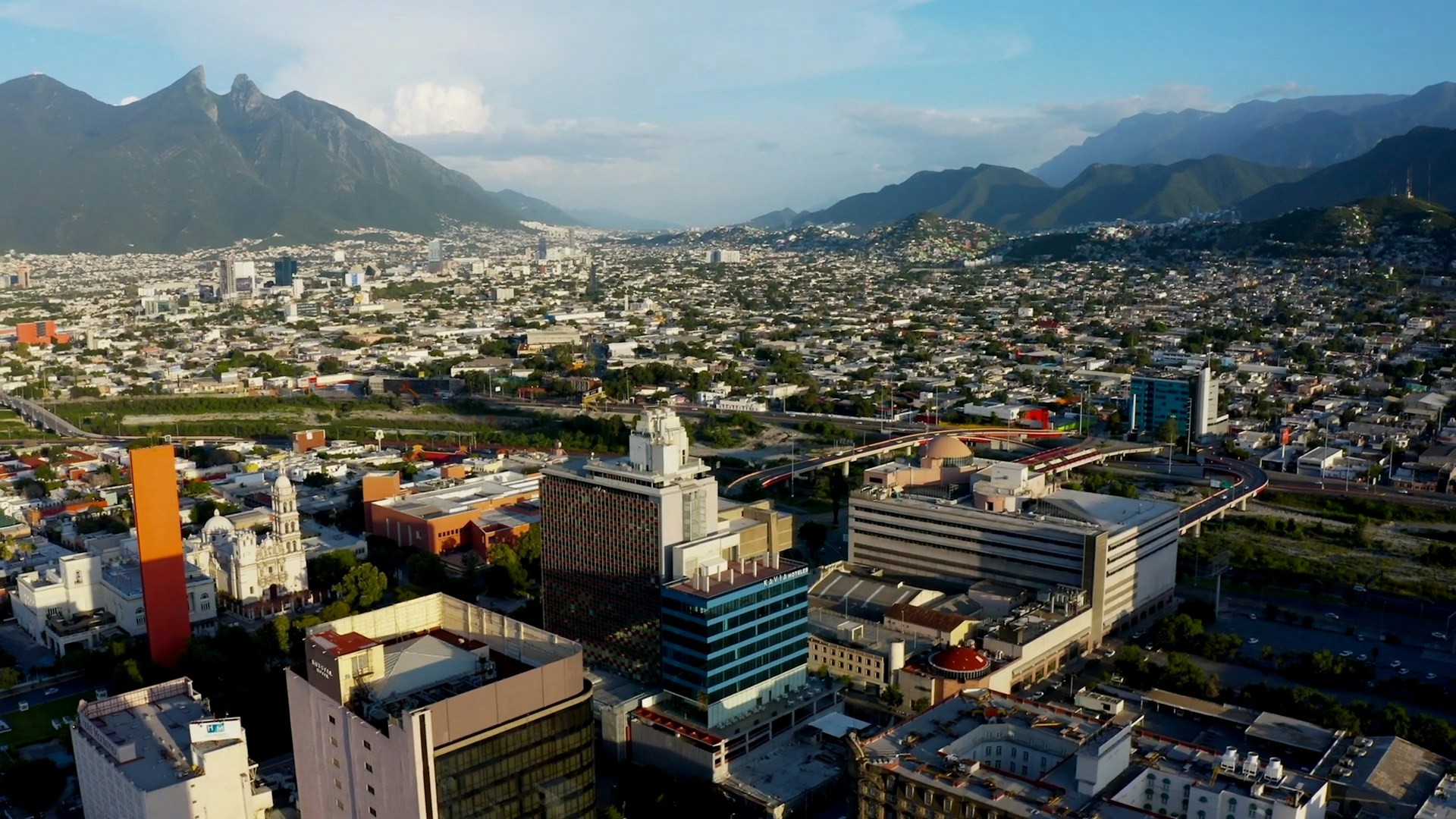
Monterrey is different from Mexico’s other two World Cup host cities in one defining way: the mountains. The Sierra Madre Oriental wraps around the city on three sides, and the jagged outline of Cerro de la Silla — the city’s most recognisable peak — is visible from the Estadio BBVA pitch. For visitors arriving for four matches (three group stage games and a Round of 32 on 29 June), Monterrey offers a combination that’s hard to find elsewhere: serious industrial city energy, canyons and pine forest within 30 minutes of the centre, and a regional food culture built on flame-grilled meat that has few equals in northern Mexico.
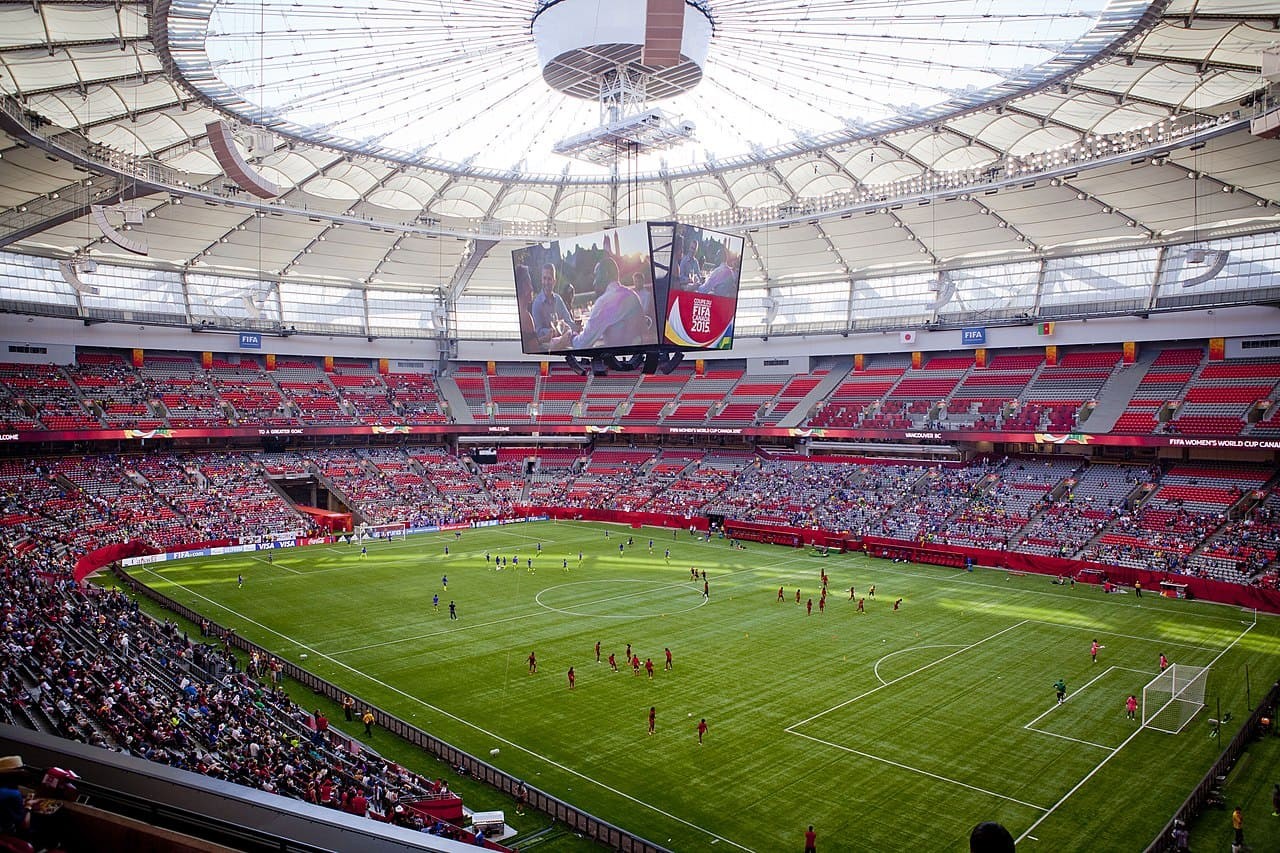
Estadio BBVA — also known as Estadio Monterrey — is in the suburb of Guadalupe, about 15km east of the city centre.
1. La Huasteca Canyon
La Huasteca is a limestone canyon cutting into the Sierra Madre foothills about 30 minutes west of central Monterrey, in the municipality of Santa Catarina. The canyon walls rise hundreds of metres and the rock is dramatically folded and eroded into towers and ridges. For walkers, a trail along the canyon floor takes about two hours and requires no technical equipment; for climbers, La Huasteca has a growing international reputation as a serious multi-pitch sport climbing destination with over 600 established routes. Even if you’re not climbing, driving into the canyon and walking the main trail gives you a perspective on the scale of the landscape that no photograph prepares you for. Take a taxi or rideshare from central Monterrey; parking in the canyon is possible but limited.
2. Chipinque Ecological Park and the Cumbres National Park
Chipinque is a 1,800-hectare ecological reserve on the southern edge of Monterrey, accessible from the Zona Valle neighbourhood in about 15 minutes. The pine and oak forest starts immediately on entry, and the main trail climbing to the Chipinque Mesa (roughly two hours at a moderate pace) passes through genuine mountain woodland with views back over the city. Birds, deer, and — more rarely — black bears and pumas inhabit the reserve. The entrance fee is modest and the park is managed well. For longer expeditions into the Cumbres de Monterrey National Park, the canyons of La Huasteca, Los Caballos, and Potrero Chico (internationally famous for its rock faces) are all accessible within an hour.
3. Barrio Antiguo — History, Galleries, and Nightlife
Barrio Antiguo is the historic colonial quarter of Monterrey, a neighbourhood of 19th-century mansions, art galleries, and cafés a few blocks east of the Macroplaza. During the day, the streets have the quiet, slightly worn quality of a neighbourhood that’s been gentrified carefully: independent galleries, a handful of coffee shops, and the occasional restored courtyard building serving lunch. On Friday and Saturday evenings, Barrio Antiguo transforms into the best nightlife district in northern Mexico. The bars on Calle Morelos and the surrounding streets run from traditional cantinas serving micheladas to contemporary cocktail bars. The energy peaks around midnight and runs late.
4. Cabrito and the Regio Food Culture
Monterrey’s most emblematic dish is cabrito: young goat, typically about three months old, slow-roasted over charcoal until the skin is crispy and the meat is tender. It’s a ranching tradition from the norteño culture of Nuevo León and the surrounding states, and it tastes specifically of the region — smoky, fatty, and not particularly similar to the goat you’ve eaten elsewhere. El Gran Pastor on Constitución Avenue is one of the city’s best-regarded traditional restaurants for cabrito. El Rey del Cabrito, also in the centre, is the other well-established option. Order the whole animal or the costilla (ribs) section. The accompaniments are typically frijoles charros (whole beans with bacon and chilli), fresh tortillas, and a michelada.
5. Macroplaza (Gran Plaza)
The Macroplaza is one of the largest urban plazas in the world — 40 hectares of civic space in the centre of Monterrey, built in the early 1980s by demolishing much of the historic urban fabric in the process. The result is controversial architecturally, but the space itself is striking: the Faro del Comercio (a laser-equipped orange tower designed by Luis Barragán), the neoclassical Palacio de Gobierno, the Metropolitan Cathedral, and the Museo de Arte Contemporáneo (MARCO) all occupy or border the plaza. On the weekends, the Macroplaza fills with families, food vendors, and events. The MARCO building — a distinctive white circular structure by Ricardo Legorreta — has a rotating programme of contemporary exhibitions and a permanent collection of Latin American art. Free on Sundays.
6. Fundidora Park (Parque Fundidora)
One of the best examples of industrial heritage repurposed as public space in Latin America: the Fundidora Park occupies the grounds and buildings of the former Compañía Fundidora de Fierro y Acero steel foundry, which operated from 1900 to 1986 and was the first integrated steel plant in Latin America. The blast furnaces and foundry buildings have been preserved as monuments within a large public park that hosts concerts, festivals, and daily recreation. The Horno 3 Steel Museum inside one of the furnace buildings is genuinely excellent and explains both the industrial history and the social history of Monterrey’s working-class communities. The park also contains a contemporary arts centre, a convention centre, and a children’s water park.
7. MARCO — Museo de Arte Contemporáneo
Just off the Macroplaza, MARCO is one of the best contemporary art museums in Mexico, with a programme that consistently brings significant Latin American and international exhibitions to a city that’s less visited by international tourists than Mexico City or Guadalajara. The circular courtyard at the centre of the building, with a large Juan Soriano dove sculpture at its centre, is the most pleasant interior space in the city. The café is reliable. Sunday admission is free for Mexican residents; international visitors pay a modest entrance fee.
8. Cerro de la Silla — The City’s Signature Mountain
The mountain that defines Monterrey’s skyline — its saddle-shaped silhouette is visible from almost every point in the city — is accessible for hiking, though it’s a serious physical undertaking. The main trail to the summit (1,820 metres) takes five to seven hours round trip and involves significant elevation gain. The views from the top over the metropolitan area and the surrounding sierra are exceptional. Less serious walkers can access the lower trails from the Parque Nacional Cumbres de Monterrey entrance in Guadalupe without attempting the summit. Check trail conditions before going; the mountain is best in the cooler morning hours.
9. Santa Lucía Riverwalk and Downtown
The Santa Lucía linear park connects the Macroplaza to the Parque Fundidora along a 2.5km canal and pedestrian walkway — one of the most pleasant urban walks in the city. Small bridges cross the canal, benches face the water, and the walkway is lined with public art installations. At the Macroplaza end, the canal opens into a small artificial lagoon used for paddleboats. It’s a free, accessible, and genuinely good piece of urban infrastructure that makes the connection between the historic centre and the park pleasant to walk.
10. Day Trip: Grutas de García
An hour west of Monterrey in the municipality of García, the Grutas de García are a series of limestone caverns at 1,650 metres altitude, reached via a cable car that operates from the base of the Cerro del Fraile. The caverns have 16 interconnected chambers developed over 60 million years, with stalactites, stalagmites, and fossilised sea creatures from when the region was ocean floor. The guided tour takes about an hour and covers about 700 metres of cave. The cable car ride and the views of the sierra on the way up are part of the experience.
Estadio BBVA (Estadio Monterrey for the tournament) is about 30 minutes from the city centre by taxi or rideshare; shuttle services run on match days. If you’re storing bags between cities — Monterrey is about an hour’s flight from Mexico City or Guadalajara — Stasher has luggage storage in Monterrey so you can explore hands-free before heading to the stadium.
Luggage storage in Monterrey
Monterrey’s matches are spread through late June, making it an easy addition to an itinerary that includes Mexico City and Guadalajara. Stasher has luggage storage in Monterrey — check the site for current locations near the centre and the stadium. Drop your bags, head into the mountains, and worry about your luggage later.