
- 1. Reading Terminal Market
- 2. The Cheesesteak Question
- 3. Independence Hall and the Liberty Bell
- 4. Philadelphia Museum of Art and Fairmount Park
- 5. Eastern State Penitentiary
- 6. South Philly and the Italian Market
- 7. Philadelphia’s Magic Gardens
- 8. Rittenhouse Square and the Surrounding Neighbourhood
- Luggage storage in Philadelphia
Philadelphia has a case for being the most historically significant city in the United States, and it makes that case loudly. The Declaration of Independence was signed here. The Liberty Bell is here. The Constitution was drafted here. For World Cup visitors arriving for six matches at Lincoln Financial Field (the Linc), it’s also a city with one of the most distinctive food cultures on the East Coast, a world-class art museum, and a street energy that other cities struggle to replicate.
The Linc is in South Philadelphia, easily accessible from downtown by car or rideshare. Here’s how to spend the time between matches.
1. Reading Terminal Market
Reading Terminal Market is the argument you use when someone says American cities don’t have real food markets. Open since 1893 under the elevated train shed of the former Reading Railroad terminal, it now houses over 80 vendors across a single sprawling floor: Amish farmers selling fresh produce and baked goods (including the best soft pretzels in the city), Tommy DiNic’s roast pork sandwich (Bon Appétit named it the best sandwich in America), Down Home Diner for Southern cooking, and multiple cheesesteak stands. The Dutch Eating Place does pancakes and sausage at communal tables from 6am; the Pennsylvania General Store is the place for Pennsylvania Dutch pantry staples. Get there before noon on weekdays; weekends are crowded but still worth it. It’s two blocks from City Hall.
2. The Cheesesteak Question
The Philadelphia cheesesteak — thinly shaved ribeye, cooked on a flat iron with onions, served in a long hoagie roll with either Cheez Whiz, American, or provolone — is a genuine institution, and Philadelphians have strong views on where to get the best one. Pat’s King of Steaks and Geno’s Steaks face each other across the intersection of Passyunk and South 9th Street in South Philly and have been in rivalry since 1966; going to both and forming an opinion is a reasonable way to spend a Saturday afternoon. For a less theatrical experience, Jim’s Steaks on South Street has long queues for good reason. In Reading Terminal Market, the options are fast and reliable. How you order (meat first, then condiments, then toppings) matters more here than anywhere else in the country.
3. Independence Hall and the Liberty Bell
Independence Hall on Chestnut Street is where both the Declaration of Independence (1776) and the United States Constitution (1787) were debated and signed. The building has been preserved much as it was in the 18th century; free ranger-guided tours run every 30 minutes and give a good account of what the debates actually involved. Directly across from Independence Hall, the Liberty Bell Center houses the cracked bell (cast in London in 1752, recast in Philadelphia after the original cracked) and tells its history as a symbol of abolitionist and civil rights movements more than American independence per se. The surrounding Independence National Historical Park is walkable, free, and an excellent half-day.
4. Philadelphia Museum of Art and Fairmount Park
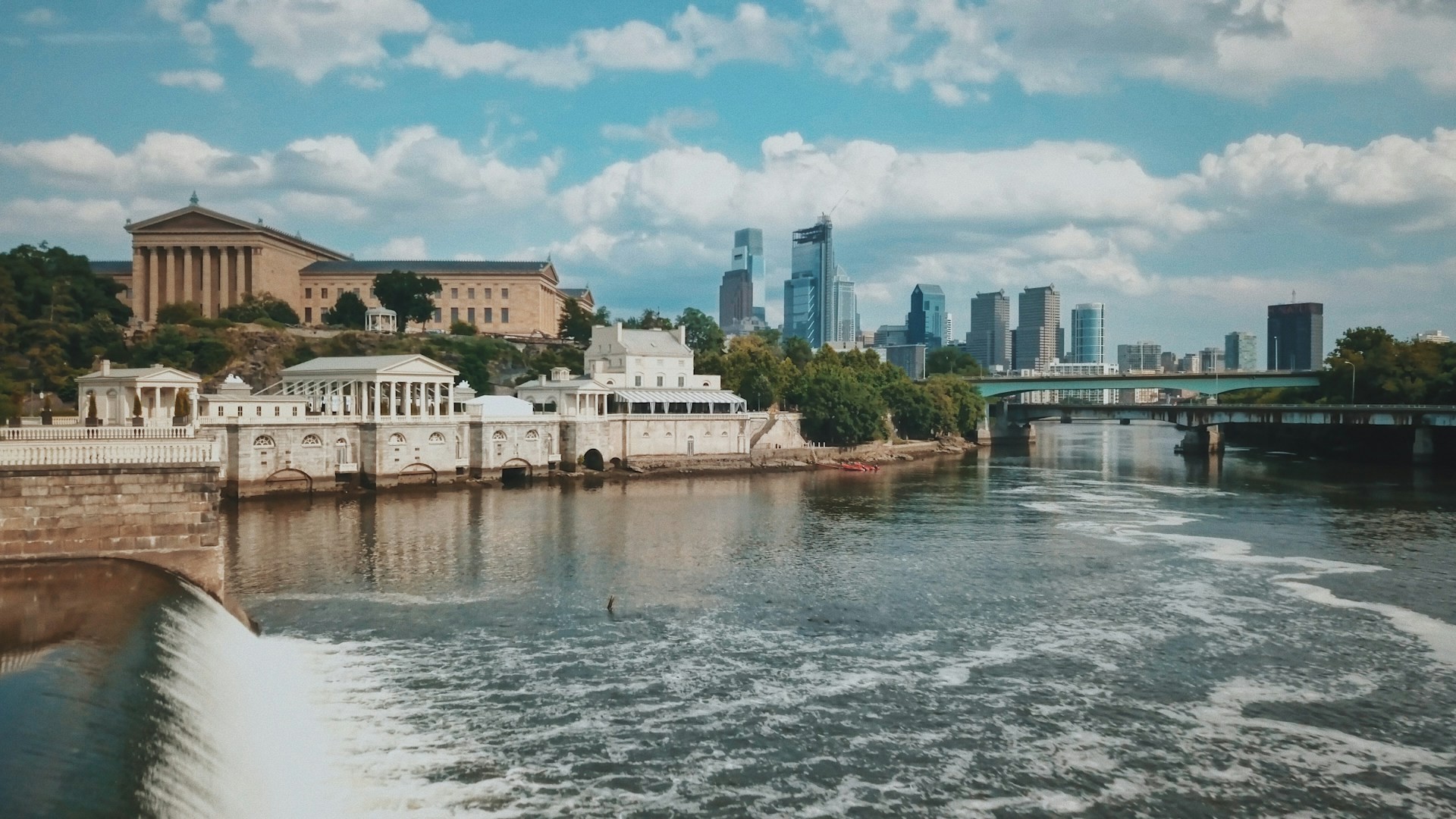
The Philadelphia Museum of Art — the steps of which became famous through the Rocky films — is one of the great encyclopaedic art museums in the world. The permanent collection covers 5,000 years and includes particularly strong holdings in medieval armour, Japanese temple architecture (installed in the museum intact), and American decorative arts. The Duchamp gallery is exceptional. The parkway approach from City Hall, designed in the early 20th century as a French-style boulevard, is one of the best urban vistas in the city. Fairmount Park, which extends north and west from the museum along the Schuylkill River, is the largest urban park in the United States and has hiking, cycling, and rowing access to the river.
5. Eastern State Penitentiary
One of the most unusual museum experiences anywhere: Eastern State Penitentiary, on Fairmount Avenue north of downtown, operated as a working prison from 1829 to 1971 and held Al Capone, Willie Sutton, and the bank robber “Slick Willie” Sutton among its residents. The building — a gothic fortress visible from blocks away — has been left in a state of “preserved ruin” since it closed: paint peeling from cell walls, vegetation growing through the floors, corridors echoing. The audio tour is narrated by actor Steve Buscemi and is surprisingly excellent. The Terror Behind the Walls haunted event runs seasonally; the daytime history tour is the better choice for understanding the building.
6. South Philly and the Italian Market
The 9th Street Italian Market on South 9th Street between Washington and Wharton Avenues is the oldest and largest working outdoor market in the United States — fruit, vegetables, meat, fish, cheese, pasta, and prepared food sold from covered stalls along the pavement, often spilling into the street. It has been operating since the late 19th century. D’Angelo’s and Iannelli’s Bakery are worth stopping at. The surrounding South Philly neighbourhood has a mix of Italian heritage and more recent Vietnamese and Mexican immigration — Pho Street (Washington Avenue) has a concentration of Vietnamese restaurants that are genuinely good and inexpensive.
7. Philadelphia’s Magic Gardens
Mosaic artist Isaiah Zagar spent 14 years covering a half-block of South Street with an immersive installation of hand-cut tile, glass, found objects, and mirrors — building over, under, and through the properties he owned at 1020–1026 South Street. The result is Philadelphia’s Magic Gardens: a labyrinth of tiled passageways, indoor galleries, and outdoor spaces that feel collectively like being inside a fever dream about the city. Admission is around $15. It’s genuinely one of the most distinctive spaces in any American city and worth the detour.
8. Rittenhouse Square and the Surrounding Neighbourhood
Rittenhouse Square is one of William Penn’s five original public squares and now functions as the city’s best-maintained park — a green formal square with fountains, bronze sculptures, and a surrounding neighbourhood of restaurants and bars. Good Coffee + Kitchen and Menagerie Coffee are both solid. Parc restaurant on the west side of the square does dependable French bistro cooking with outdoor terrace seating. Fitler Square, a few blocks west, is quieter and has an excellent independent bookshop, Big Blue Marble, worth finding.
Lincoln Financial Field is in the South Philadelphia Sports Complex, alongside Citizens Bank Park (Phillies baseball), Wells Fargo Center (Flyers, 76ers), and the soccer stadium SUBARU Park. On match days, the SEPTA Broad Street Line subway runs south to Pattison Station directly outside the stadiums. If you’re arriving at the airport and want to drop your bags before exploring, [Stasher has luggage storage near 30th Street Station, Lincoln Financial Field, and Reading Terminal Market](https://stasher.com/luggage-storage/united-states-of-america/philadelphia).
Luggage storage in Philadelphia
With six World Cup matches in the city, you might be spending multiple days in Philadelphia between fixtures. Stasher has luggage storage locations across Philadelphia, including near Reading Terminal Market and 30th Street Station, so you can leave your bags and spend the afternoon at the Liberty Bell or the Philadelphia Museum of Art.