
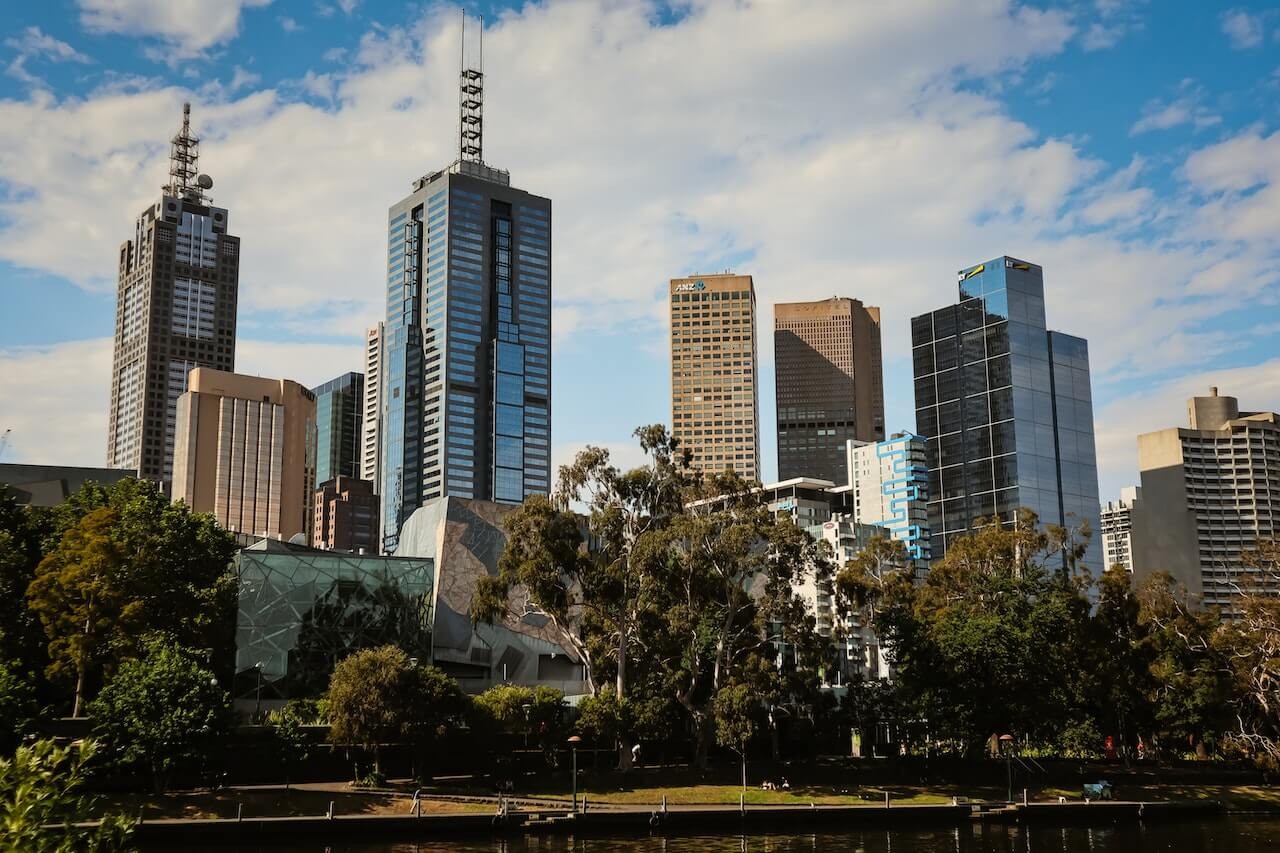
Rod Laver Arena is Melbourne’s flagship indoor arena and a centrepiece of the Melbourne Park precinct. Best known as the main court of the Australian Open, it also hosts year-round concerts, comedy shows and international sporting events. With capacity crowds and global broadcasts, entry procedures are tightly managed — and bag rules are enforced consistently.
Why Rod Laver Arena has strict bag controls
Rod Laver Arena sits within a wider secure event zone shared with venues like Margaret Court Arena and John Cain Arena. On major event days, pedestrian flows are channelled through designated routes, and security screening begins well before the arena doors themselves. This setup prioritises safety and crowd movement, but it also means oversized bags quickly become an issue.
Many visitors arrive via Flinders Street Station, Richmond Station or Melbourne CBD hotels, often on foot through the sports precinct. Carrying bulky bags over these distances — and through security — is strongly discouraged.
Rod Laver Arena bag policy
Bag rules at Rod Laver Arena are designed to minimise delays and ensure spectator safety. While requirements can vary slightly by event, the general policy includes:
- Small bags only: Compact handbags and small backpacks are usually permitted, provided they are easy to inspect.
- No large backpacks or luggage: Suitcases, travel backpacks, duffel bags and oversized items are not allowed inside the arena.
- No official luggage storage: The arena does not provide a public luggage storage or cloakroom service suitable for large bags.
- Security screening: All bags are checked on entry, and prohibited items will be refused.
- Event-specific rules: Tennis sessions, concerts and special events may apply stricter limits, which are enforced at the gates.
If your bag is considered too large or difficult to search, you may be denied entry and asked to leave the secure zone.
Attending events during the Australian Open
During the Australian Open, bag rules are often applied even more strictly due to the volume of spectators and the number of sessions running back-to-back. Security lines can be long, and carrying anything beyond a small day bag significantly slows entry. Many visitors spend an entire day inside Melbourne Park, making lightweight, practical packing essential.
What to bring (and what to leave behind)
- Bring a small cross-body bag or compact backpack with essentials only: phone, tickets, wallet and sunscreen.
- Avoid rigid bags, camera backpacks and anything you wouldn’t want to carry for several hours.
- Leave suitcases, shopping bags and travel gear elsewhere before heading to Melbourne Park.
Travelling to Rod Laver Arena with luggage
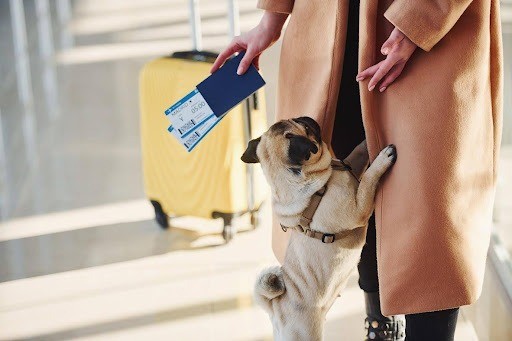
It’s common for visitors to attend events straight after arriving in Melbourne or on the day they check out of accommodation. In these cases, arriving at the arena with luggage is one of the most common mistakes. With no on-site storage and strict bag size limits, larger bags will prevent entry.
Book your luggage storage for Rod Laver Arena now if you’re carrying anything larger than a small personal bag.
Storing bags before heading into Melbourne Park
A practical approach is to store luggage elsewhere in Melbourne before travelling to the arena. This allows you to move freely through the sports precinct, clear security quickly and enjoy the event without worrying about your belongings.
Book your luggage storage for Rod Laver Arena now to drop off suitcases or larger bags before joining the event crowds.
Local tips for a smoother visit
- Arrive early — security queues can build quickly, especially during tennis sessions and sold-out concerts.
- Use public transport where possible; road closures are common around Melbourne Park.
- Travel light to move comfortably between courts, food areas and seating sections.
- Check your ticket or event page for any additional bag restrictions before you travel.
Rod Laver Arena enforces a strict small-bag policy and does not provide on-site luggage storage for visitors. Large bags, backpacks and suitcases are not permitted, and security screening is thorough for all events. Whether you’re attending the Australian Open or a major concert, planning ahead and travelling light is key to a smooth experience.